
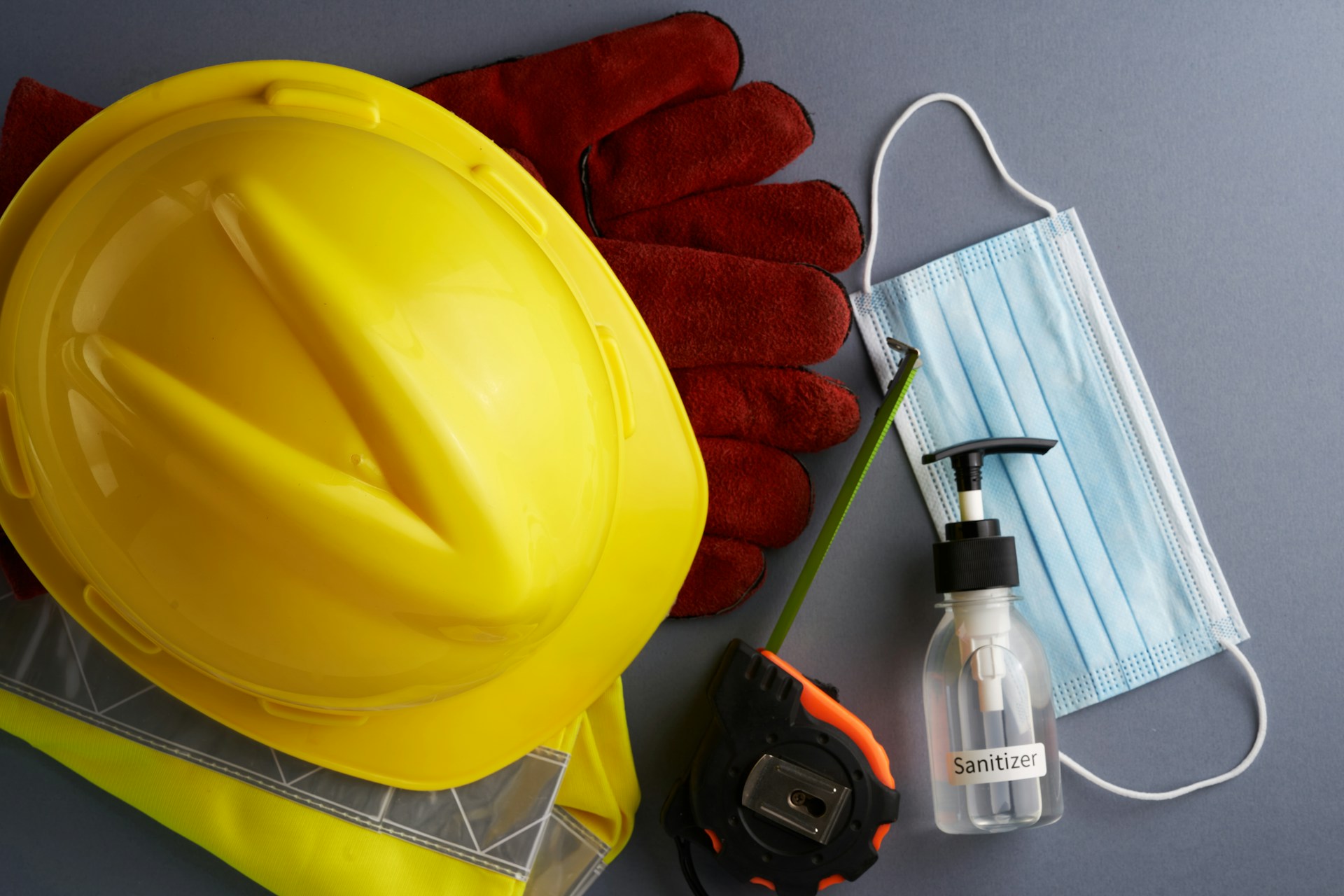
When we think about workplace safety, our minds often jump to signs, procedures, and training manuals. While these are all crucial, a quiet revolution is happening in personal protective equipment (PPE). For people in high-impact roles, from emergency responders to adventure sports guides, the gear they wear is getting more advanced and integrated. It’s designed not just to prevent injury but to boost performance and overall well-being. Modern safety equipment is moving away from bulky, one-size-fits-all solutions, becoming more like practical, specialized tools that work *with* the wearer.
The Evolution of Personal Protective Equipment
Personal Protective Equipment has come a long way from the simple hard hats and basic goggles of the past. Today’s safety gear is often part of a system built for specific tasks and environments. A modern helmet, for example, is rarely just a hard shell. It’s a platform you can customize with visors, communication systems, and lighting. This modular approach lets professionals adapt their gear to their day’s unique challenges.
For roles with high-speed movement or potential facial impacts, specialized gear like a rail-mounted lower face mask can attach to standard helmets, offering protection without sacrificing visibility or mobility. This evolution focuses on smarter, more adaptable solutions that protect you thoroughly.
Smart Technology in Safety Gear
The next frontier in workplace safety involves embedding technology directly into the equipment people wear. Wearable sensors are becoming more common and can monitor everything from a worker’s vital signs to exposure to environmental hazards. In remote or dangerous settings, GPS-enabled devices can track a person’s location and send an alert if they fall or enter a restricted zone.
These advancements are changing safety from a reactive measure to a proactive one. Instead of just documenting accidents, smart gear can help prevent them in the first place. Experts are constantly exploring the future of safety technology to create even more responsive and predictive safety systems that keep people out of harm’s way.
Ergonomics and Comfort: The Unsung Heroes of Safety
One of the most important yet often overlooked innovations in safety equipment is the focus on ergonomics and comfort. Even the most advanced gear is useless if it’s so uncomfortable or cumbersome that no one wants to wear it. Manufacturers now invest heavily in designing equipment that is lightweight, breathable, and allows for a full range of motion.
Adjustable harnesses, moisture-wicking fabrics, and body-conforming padding are no longer luxury features; they are standard. Better ergonomics not only makes it more likely that gear will be worn correctly but also reduces fatigue. A comfortable worker is a more focused and alert worker, which is critical for safety in any high-stakes environment.
Material Science Breakthroughs
Many of these safety advancements are underpinned by breakthroughs in material science. New composites, polymers, and textiles make it possible to create gear that is stronger, lighter, and more durable than ever. Materials once reserved for aerospace or professional sports are now being used to create everything from impact-resistant gloves to puncture-proof vests.
These advanced materials can offer superior protection while being significantly less bulky, allowing for greater agility and comfort. This ongoing innovation in workplace safety means tomorrow’s gear will be even more effective and less burdensome, providing higher protection without getting in the way.
The goal of modern safety design is clear: to protect individuals without hindering their ability to do their jobs effectively. By focusing on integration, technology, and human-centered design, innovators are creating equipment that helps people stay safe and confident, no matter how demanding their role may be.