As a highly sensitive person in the luteal phase, everything can hit ten times harder. Here are the supplements, foods and rituals that help me feel better.
Just a little heads up: some of the links in this blog are affiliate links, which means if you click on them and make a purchase, we may earn a small commission at no additional cost to you.
We only recommend products and services we genuinely believe in and have personally used or researched. Your support through these links helps us keep bringing you valuable content, so thank you for being amazing!
In short: As a highly sensitive person in the luteal phase, the two weeks between ovulation and your period can amplify everything you already feel: noise, other people’s moods, self-doubt and exhaustion. What helps me most is a combination of magnesium and vitamin B6, cooking with my cycle, gentler movement, and nervous-system tools for the low days. If your symptoms seriously disrupt your life every month, it’s worth talking to a doctor about PMDD.
For the first two weeks of my cycle, I feel like myself. Creative, energized, full of plans. Then ovulation passes, and something shifts. The same life I love so much suddenly becomes something to question. My choices, my work, sometimes even my own worth.
I noticed this from the very first time I got my period, long before I knew the word “luteal.” Every month, the second half of my cycle brought the same visitors: sadness, irritability, exhaustion and a short fuse I didn’t recognize in myself.
When I went on the pill, most of it disappeared. But so did a part of me. My body held on to more fluid, and I felt disconnected from my intuition, as if I wasn’t fully myself anymore. So around 30, I decided to stop taking the pill and embrace my natural rhythm again.
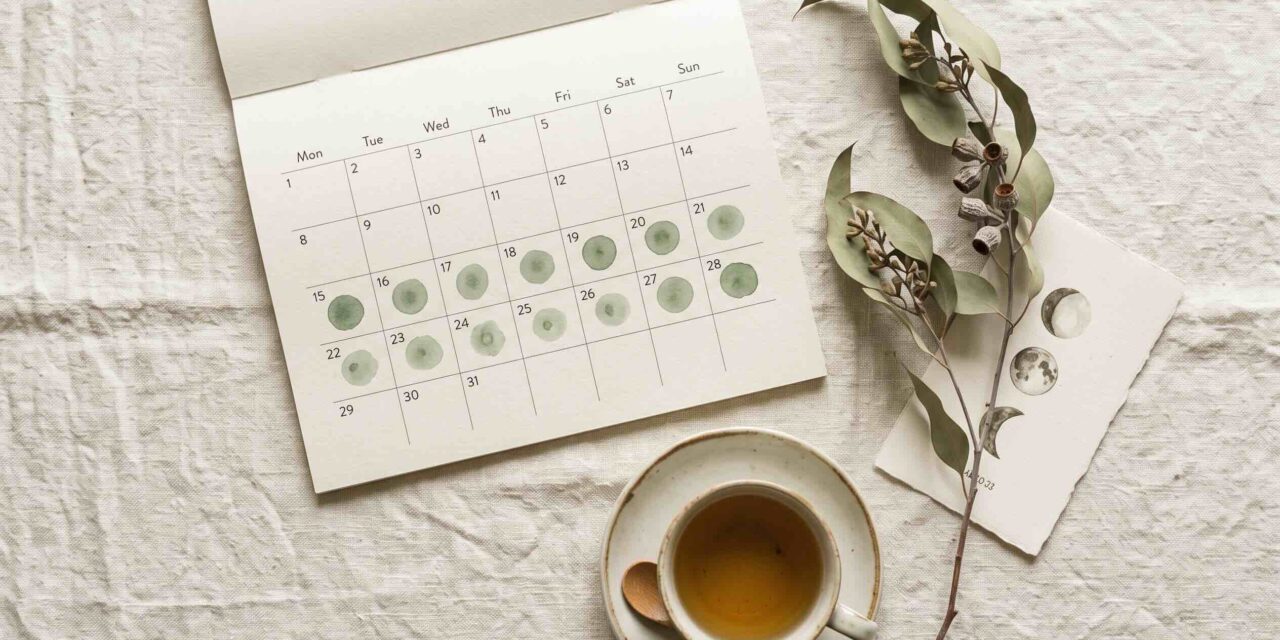
The luteal phase came back with full force. Anxiety, overthinking, feeling low, questioning every choice I had ever made. It became so intense that I started wondering whether I was dealing with more than “just” PMS. Tracking my cycle and my symptoms finally gave me clarity: the same feelings returned around the same days, month after month. It was hormonal. And my body was clearly asking for more support.
Here’s What You’ll Discover About the Highly Sensitive Person in the Luteal Phase:
- Why does the luteal phase hit highly sensitive people harder?
- What are common symptoms during the luteal phase?
- Is there a bright side to the luteal phase?
- What are the best supplements to support the luteal phase?
- What are the best foods to eat for luteal phase health?
- Are there specific exercise routines for the luteal phase?
- What can you do when you feel down or depressed during your luteal phase?
- When should you seek professional help?
- You’re not too much, you’re cyclical
- Frequently Asked Questions about the Luteal Phase in the Highly Sensitive Person
Why does the luteal phase hit highly sensitive people harder?
The luteal phase is the second half of your menstrual cycle, from ovulation until your period starts, usually around two weeks. Progesterone rises after ovulation, and in the days before your period both progesterone and oestrogen drop. For many women, those shifts come with physical and emotional changes.
Now add high sensitivity to the mix. Roughly 20% of people have the trait researchers call sensory processing sensitivity, which means we process sensory input and emotions more deeply than others. A 2025 review in Frontiers in Global Women’s Health even proposed that heightened sensory processing sensitivity could be one of the factors that make some women more vulnerable to intense premenstrual symptoms. The research is still young, but it matches what I experience and what I hear from so many women in our community.
As I like to put it: we already feel so deeply without the hormones. In the luteal phase, it all becomes intensified. And it’s exhausting to feel that way for what sometimes seems like half of your life.

What are common symptoms during the luteal phase?
Luteal phase symptoms vary from woman to woman, but these are the ones I recognize most in myself:
- Fatigue and physical heaviness, even after a good night’s sleep
- Low mood, sadness or feeling down
- Anxiety and overthinking
- Irritability and feeling easily annoyed
- Unexpected aches or cramps in the lower belly
- Exercise feeling much harder than usual
- Harsh self-criticism and doubting your choices
As a highly sensitive person, I notice a few extra layers on top of that:
- Noise and sensory input irritate me faster
- I pick up on other people’s moods more easily
- Tiny comments hit ten times harder
That last one isn’t only hard on me. Sometimes I feel guilty, because my husband feels the ripple effect of my mood too, and that doesn’t always feel fair to him. There’s rarely one dramatic moment. It’s the micro moments, every single month, that remind me where I am in my cycle.
Is there a bright side to the luteal phase?
Yes, and I think it deserves more attention. In my luteal phase, I feel more in tune with my intuition and my body. Good ideas tend to arrive, even when I don’t have the energy to act on them yet. It’s a beautiful time to dwell on those ideas and notice what’s working in my life and what isn’t. The trick is not getting lost in that process while emotions run high.
It also makes me feel very feminine. It almost feels like I soften, instead of pushing through all the time. And feeling everything a little extra deeply helps me empathize with others.
Practically, I’ve learned to work with this phase instead of against it. Even though I love being around people, I prefer to stay home in the days before my period, so I schedule fewer social plans then. My freelance work happens mostly behind my laptop, which means I don’t have to put on a mask on the days my hormones tell me I feel awful.
What are the best supplements to support the luteal phase?
When I suspected my symptoms might be more than PMS, I decided to try the remedies most often recommended first: magnesium, vitamin B6 and evening primrose oil. Over the past months, my luteal phase has felt noticeably softer. I still have hard days, but I feel a little less strange than I used to.
Here’s what the research says:
- Magnesium and vitamin B6: This pairing has the most support. In a 2010 randomized, placebo-controlled trial, women with PMS who took magnesium plus vitamin B6 improved more than those taking magnesium alone or a placebo. An earlier crossover study found that 200 mg of magnesium with 50 mg of vitamin B6 eased anxiety-related symptoms like nervousness and mood swings.
- A note of caution on B6: More isn’t better. In 2023, the European Food Safety Authority lowered its safe upper limit for vitamin B6 to 12 mg per day for adults, because high doses taken over long periods have been linked to nerve damage. Check the label, and ask your doctor or pharmacist which dose suits you.
- Evening primrose oil: The evidence is mixed. Several older, well-controlled trials found no clear benefit over placebo, while some newer, smaller studies did show improvement. It’s part of my own routine, but the stronger evidence sits with magnesium and B6. I personally have a supplement that combines evening primrose oil with a small dosage of Omega 6, Vitamine B6 and Vitamin E.
Supplements can interact with medication, so please check with a healthcare professional before starting anything new.
What are the best foods to eat for luteal phase health?
This is where I want to share a book I love: The Moon Cycle Cookbook by Devon Loftus and nutritionist Jenna Radomski. The recipes are organized around the four phases of your cycle, and for each phase you get tips on which foods to add and which to reduce. It gave me real insight into what my body needs at different moments of the month.
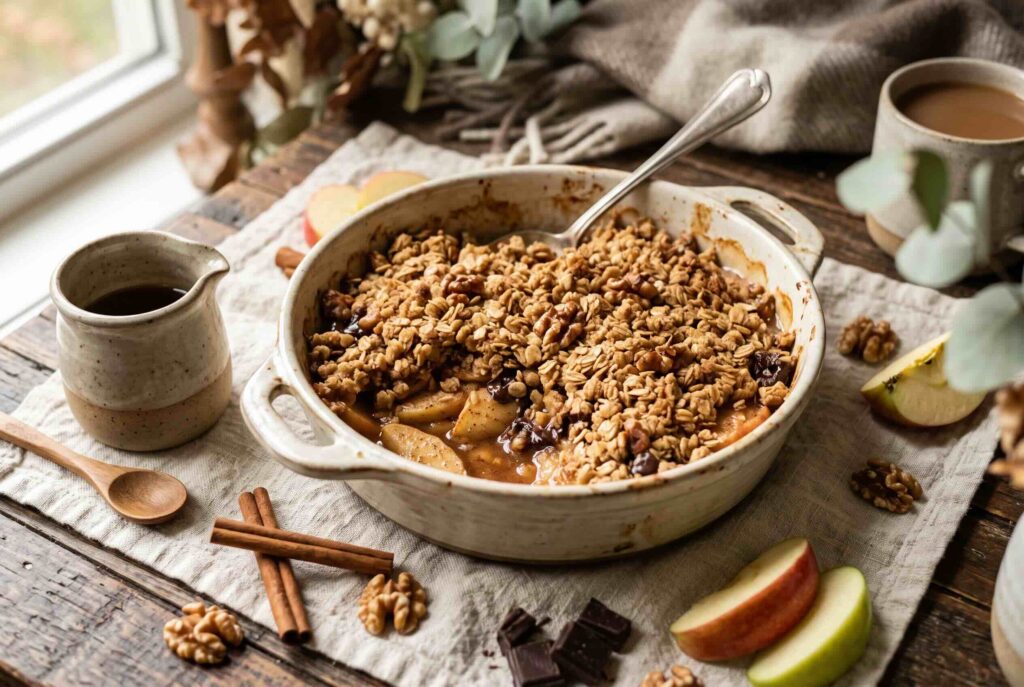
My favorite so far is the maple apple breakfast crisp, which is perfect for autumn mornings. I’ll be honest: I still want to bring the book into my daily life more. But every time I cook from it, I feel the difference in my body.
Alongside the book, a few simple habits help me in the luteal phase:
- Magnesium-rich foods like dark chocolate, nuts, seeds and leafy greens
- Warm, grounding meals with whole grains
- Regular meals, so my energy (and mood) doesn’t crash
Are there specific exercise routines for the luteal phase?
There’s no single perfect routine, but research is encouraging. A 2025 meta-analysis found that exercise, including running, Pilates and yoga, eased negative mood, pain and fatigue in women with PMS. Several reviews point to yoga and aerobic exercise as especially helpful.
The key word for me is gentle. In my luteal phase, my body feels slow, and even biking takes more effort than the rest of the month. So I swap intensity for:
- Nature walks
- Gentle yoga
- Somatic movement, which helps me reconnect with my body instead of fighting it
Think of it as giving yourself permission to move like water instead of pushing like a machine.
What can you do when you feel down or depressed during your luteal phase?
These are the tools I reach for when self-doubt takes over:
- Watch stand-up comedy. Laughter really does lift my mood.
- Practice gratitude. Small, slow exercises I can do without moving much.
- Journal. Getting my thoughts on paper frees up space in my mind.
- Use somatic movement. The exercises from our Somatics for Self-Love course with Audrey Burke are some of my go-tos.
- Support my nervous system. I lean on the tools from our Growth Tree courses to calm my body when everything feels too loud.
- Remember the pattern. Tracking my mood and symptoms showed me that my darkest thoughts follow my calendar, not my life. The feelings are real, but they are colored by hormones and they pass.
When should you seek professional help?
For some women, the luteal phase goes beyond PMS. Premenstrual dysphoric disorder (PMDD) affects roughly 3 to 8% of menstruating women and brings severe mood symptoms that disrupt work and relationships. The good news is that effective treatments exist, and a doctor can help you find what fits.
I’ll be open with you: I recognize myself in many PMDD symptoms, and I haven’t spoken to a doctor about it yet. Writing this is a gentle nudge for me too. If the tips in this post don’t bring you more balance after a few cycles, take your symptom tracker to your GP or gynaecologist. And if you ever have thoughts of harming yourself, please reach out to a doctor or crisis line right away.
You’re not too much, you’re cyclical
If the second half of your cycle makes you doubt yourself, please know you’re not alone and you’re not “too much.” Your sensitivity and your hormones are simply meeting each other at full volume. With the right support, those two weeks can become softer, and maybe even a time you learn to value.
Want to talk about this with women who truly get it? Join our free HiSensitives Facebook community.
This post shares personal experience and research for information only. It isn’t medical advice. Please consult a healthcare professional about your own symptoms.
Frequently Asked Questions about the Luteal Phase in the Highly Sensitive Person
Usually around 12 to 14 days, from ovulation until the first day of your period.
Not necessarily for everyone, but many HSPs experience it more intensely, because we already process emotions and sensory input deeply. Early research suggests sensory processing sensitivity may play a role in stronger premenstrual symptoms.
PMS brings mostly mild to moderate physical and emotional symptoms. PMDD is a severe form in which mood symptoms like depression, anxiety or irritability seriously disrupt daily life.
The combined pill prevents ovulation, so you don’t have a natural luteal phase while taking it. When you stop, your natural cycle, and its symptoms, can return.
In this article, we collaborated with AI, meaning that the input and stories are original human ideas, but the text itself has been created with support from AI. All AI content is being edited and factchecked by our editor.