You finish a workout feeling proud of yourself, only to wake up the next morning wondering why getting out of bed suddenly feels so challenging. If you’ve recently started exercising or just increased the intensity of your workouts, muscle soreness is likely to be what you’re experiencing.
DOMS, or delayed onset muscle soreness, is a type of discomfort that develops 24 hours or 48 hours after exercising. It happens because your muscles have worked harder than they’re used to. So, this has created microscopic tears in the muscle fibres. As your body repairs the fibres, the muscles grow stronger and more resilient. So soreness is a normal part of the fitness routine even though it is unpleasant.
That doesn’t mean you have to put up with it. There are things you can do to ease the discomfort.

Ease Tight Muscles with Gentle Massage
You can use your hands or a massage gun. Gentle pressure can help reduce feelings of tightness while encouraging better circulation in the muscle area.
Why do you want to improve blood flow to the affected muscles? Because it delivers the oxygen and nutrients that support your body’s natural recovery processes. Additionally, massaging can also help your muscles feel looser and more comfortable.
A few minutes are more than enough to focus on key areas, such as your calves after a run or your shoulders following an upper-body workout. This will make a significant difference in your general comfort.
Keep Moving with Active Recovery
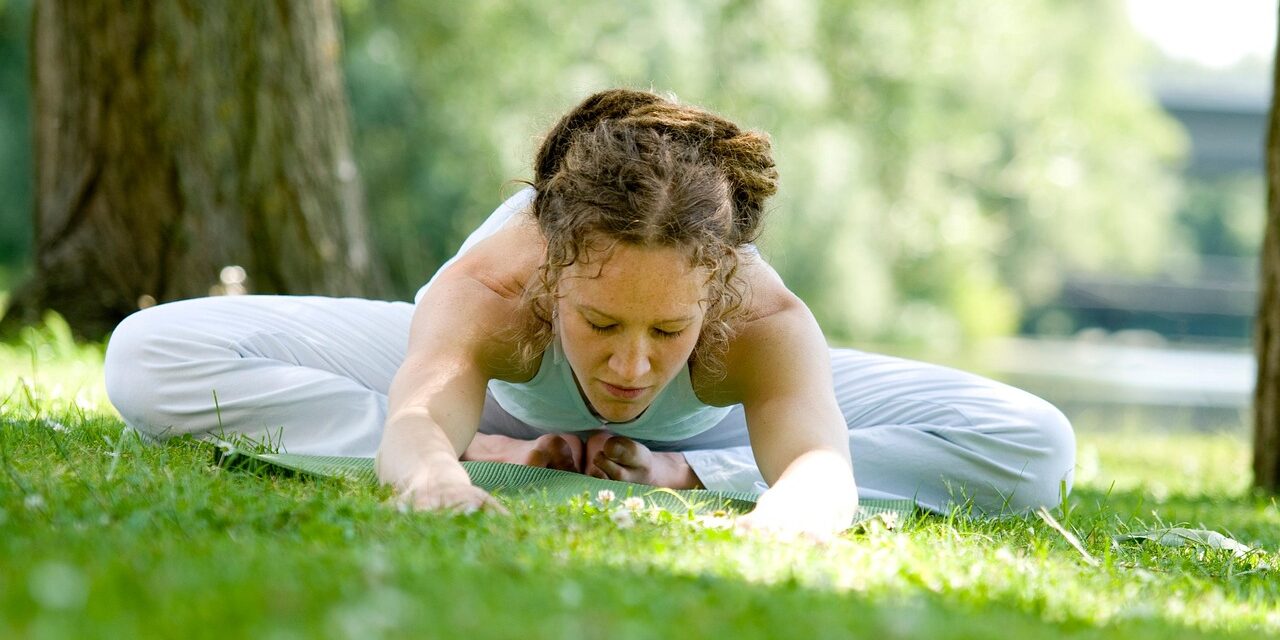
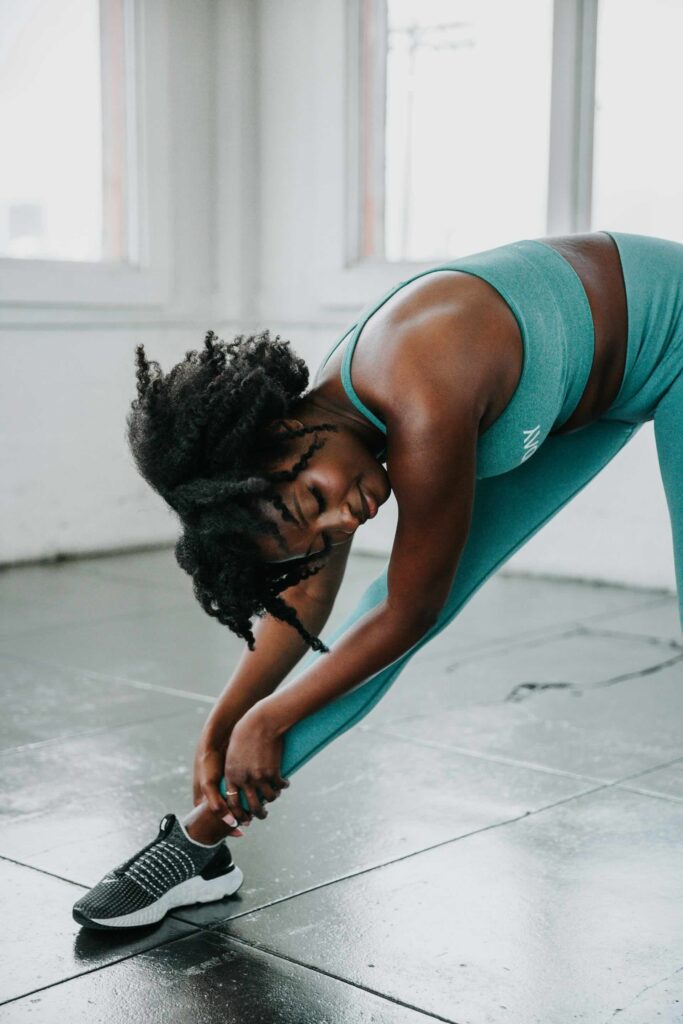
Active recovery involves low-intensity movement that keeps your body mobile without placing additional stress on recovery muscles. So, you can simply choose a leisurely walk or a gentle yoga session, for example.
Moving your body also encourages blood circulation, which once again ensures your muscles receive everything they need. This will make a big difference for stiffness complaints, and you’ll notice your muscles start to loosen up the longer you stay mobile.
Give Your Muscles the Nutrition They Need
Protein is essential because it provides the amino acids your body needs to repair muscle tissue. This means you want to prioritise meals with lean meats, fish, and eggs. You can also opt for beans, lentils or tofu if you are vegan or vegetarian. Dairy products are also a great addition, especially cottage cheese and Greek yoghurt, which are both high in protein.
It’s worth noting that you can also up your protein intake with a protein powder, which can be a convenient way to meet your nutrition goals and support recovery.
Consider Supplements that Support Recovery
Magnesium is involved in normal muscle function, and you can pair it with vitamin D for healthy muscles and bones. Omega-3 fatty acids are also popular among active individuals because of their role in supporting overall health. So, if your diet lacks some nutrients, it is worth exploring supplements to maintain the nutritional foundations your body needs.
Also, cannabinoid-based supplements like CBG and CBD don’t have the high effect of THC but can support the pain management system in the body. CBG gummies for pain are a great combination of both CBD and CBG to bring to your recovery routine.
Bear in mind that supplements do not replace proper nutrition.
In conclusion, even when muscle soreness is uncomfortable, there are solutions to help your body heal itself and become stronger.