
If you are a highly sensitive person, then it can sometimes be difficult to appear confident in extroverted roles. You feel sensory stimuli more deeply, and you are more on edge in high-energy environments. This creates new challenges; however, the key is often confidence through self-acceptance. You are what you are, and your nervous system is what it is, so there’s often not much you can do to change it. How can you be confident in these extroverted roles?
Reframe your sensitivity
One of the best places to start is by reframing your sensitivity. Sometimes, as an HSP, you can tell yourself that you’re not enough or that you’re too much, especially in extroverted settings; however, you are very different from other people in these roles primarily because of your strong listening and empathy skills. If you think that you’re being too sensitive in an extroverted environment, then tell yourself a different story. Use self-compassion and keep your thoughts in a journal so you can log your progress over time.
Prepare for overstimulation
You also want to prepare for overstimulation. If you are in an extroverted role, then it’s highly likely that you’ll be surrounded by crowds, noise, bright lights, and plenty of social cues. This can be challenging as an HSP because you have to process this all very quickly.
For this reason, it is a good idea to know your limits and body signals. You want to know what is going to trigger you feeling overwhelmed and when you can take time outs. If you can build in recovery time during the day, that’s helpful. Often, taking a few minutes’ break here and there transforms your mood and allows you to get back on with the work that you want to do.
If there are practical tools you can use that are also handy. For example, many HSPs use noise-cancelling headphones in loud environments. You could also look at other technology like POS systems. Secure payment processing for food trucks at busy gigs could be a good way to reduce the number of interactions you have with customers and cut out questions.
Set boundaries
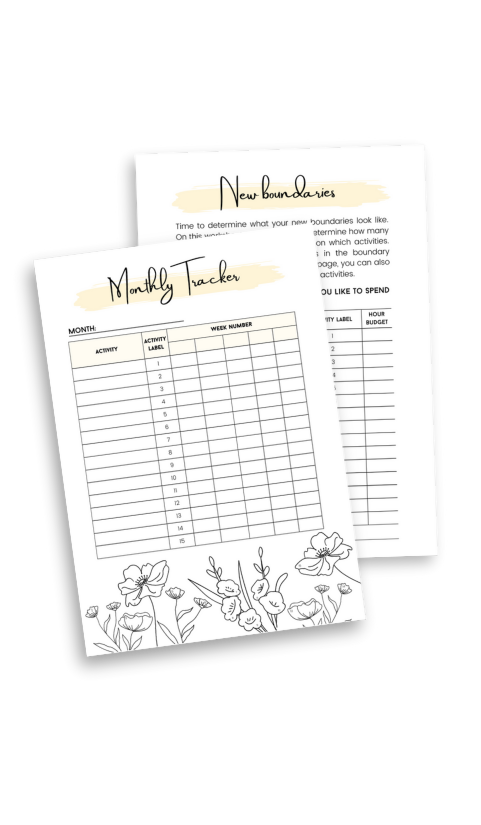
Many HSPs struggle to set boundaries because it can be difficult to express the level of sensitivity that you have. You may be unwilling to say no or assert your needs. If this is the case, then practice declining things without feeling guilty. Take pride in the fact that you are being confident about your needs in relationships instead of constantly kowtowing to other people. If you are in a work setting, communicate your needs gently. Tell people that you are looking for quiet recharge space or constructive feedback styles. Alternatively, ask for flexible scheduling so you can manage your work around your day and not the other way around.
Build skills gradually
Finally, focus on building skills gradually. Take small steps outside of your comfort zone and then go from there. Sometimes it can help to engage in role-play scenarios. Remember that you’re aiming for progress, not perfection.